.webp&w=3840&q=75)
Welcometo the AcademyPhysioScience!
Here, new generation specialists are trained.Together we will change massage and rehabilitation for the better!
Learn moreEducational courses and webinars
 #evidencebasedmassage
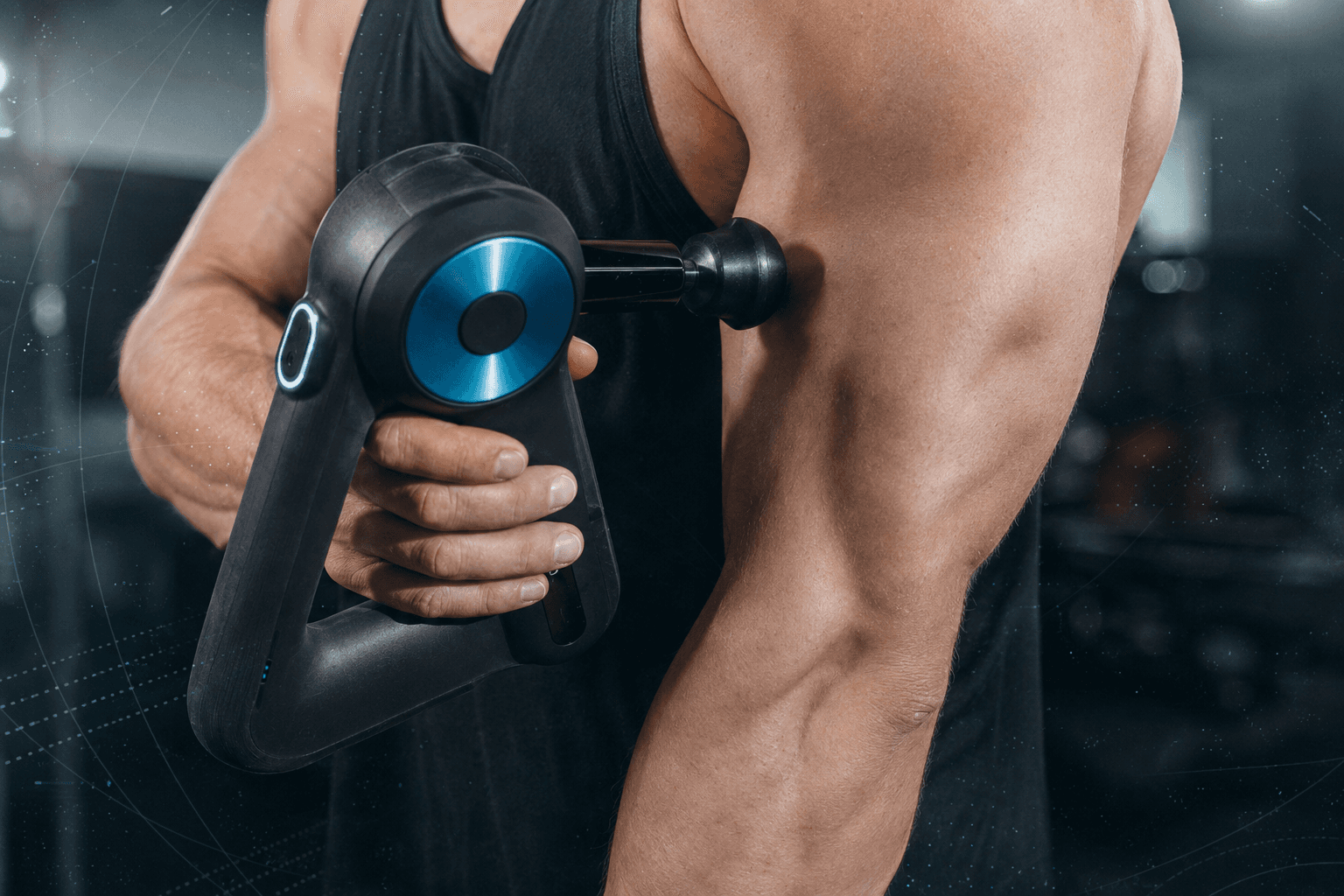
Sport Massage: A Modern Approach
Massage for spine, knee, and shoulder injuries; post-event and pre-event massage, sports science
33 lessons · 2 workshops · certificate

 #evidencebasedmassage
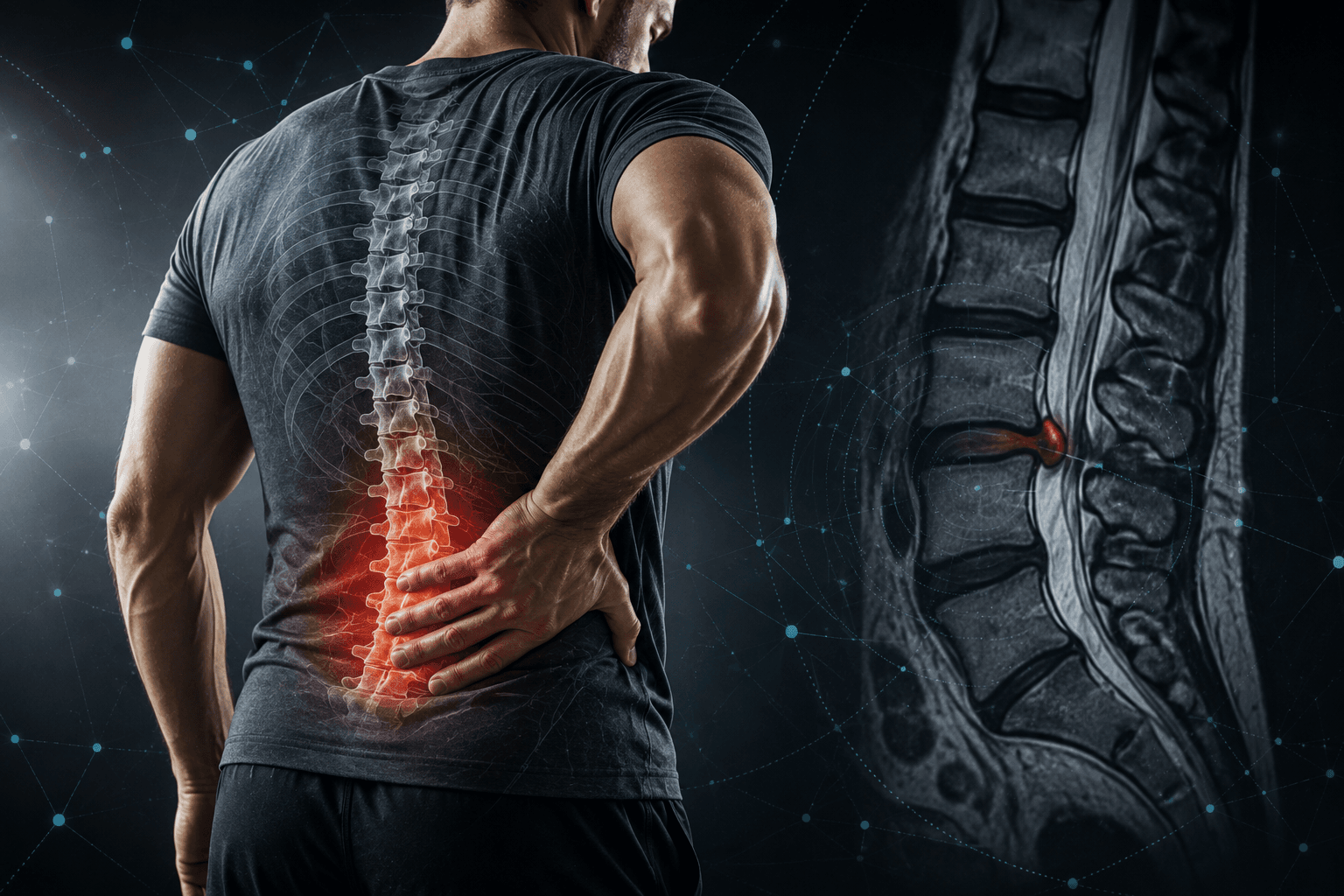
Spinal hernias: assessment, exercise, and rehabilitation
A practical recovery system for lumbar and cervical hernias
12 lessons · presentations · handouts
 Webinar
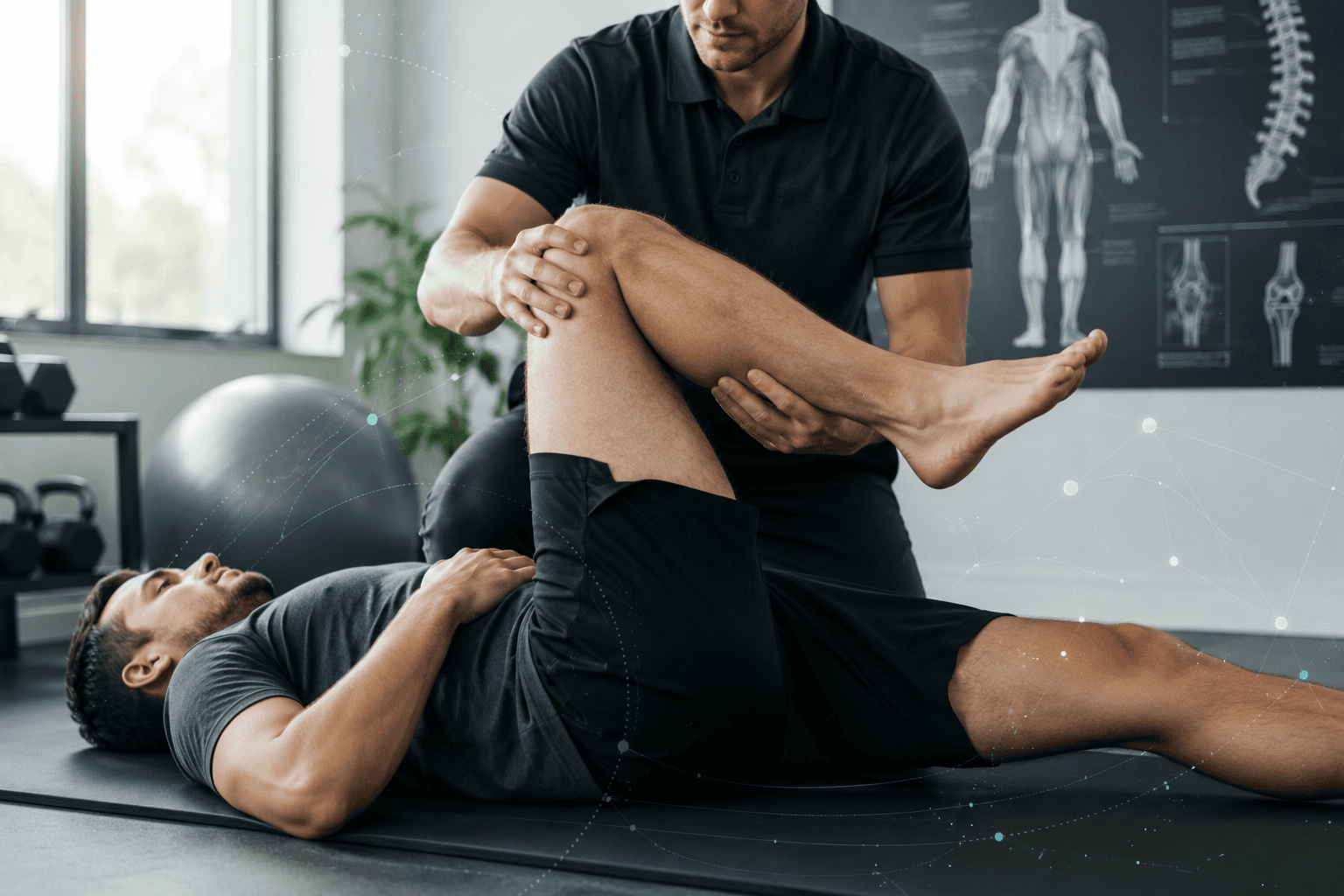
Rehab fundamentals for coaches and massage therapists
How to select and modify therapeutic exercises
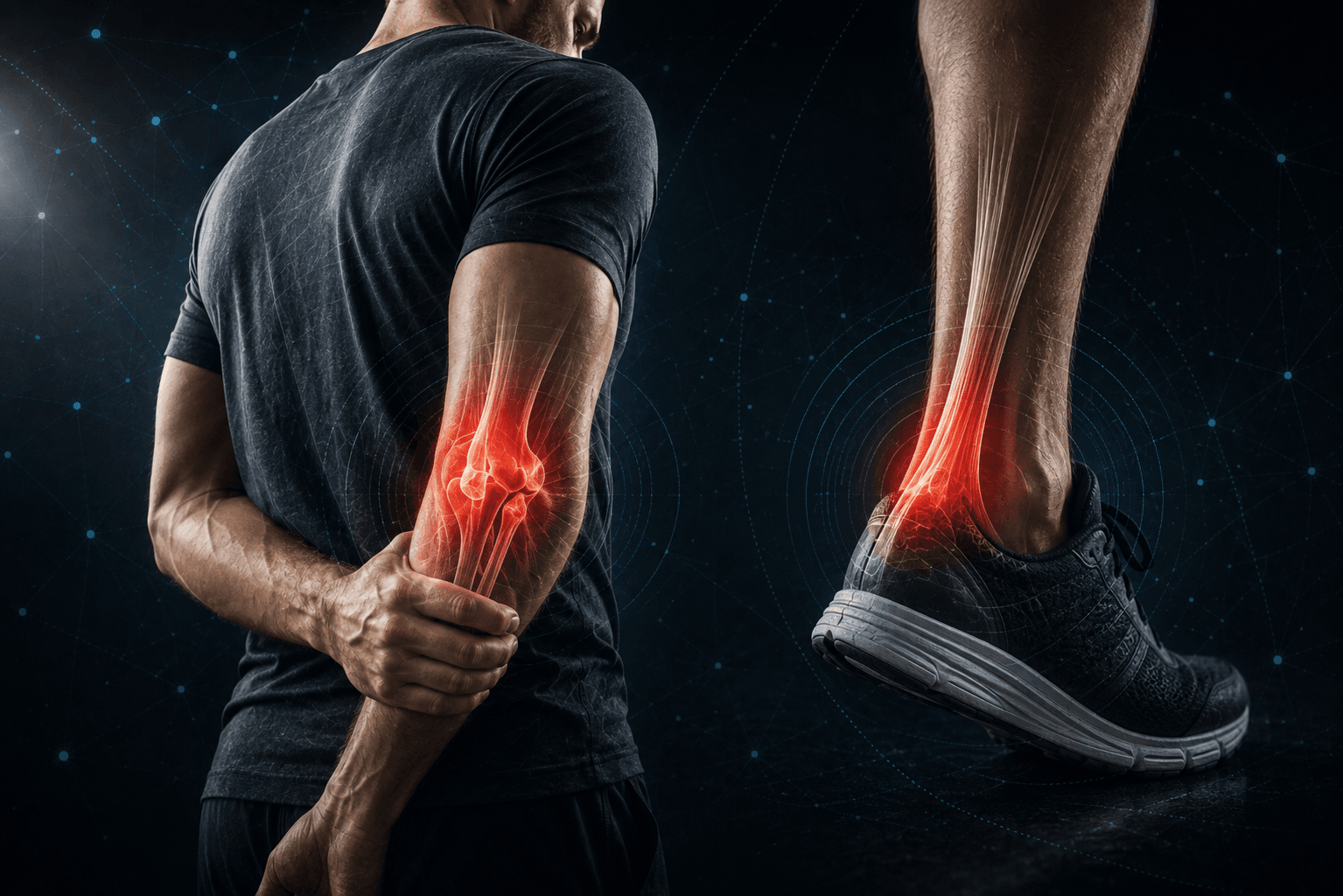 Announce
Tendinopathies: Load to Heal
Pathogenesis, diagnostics, testing, and rehabilitation for painful tendons
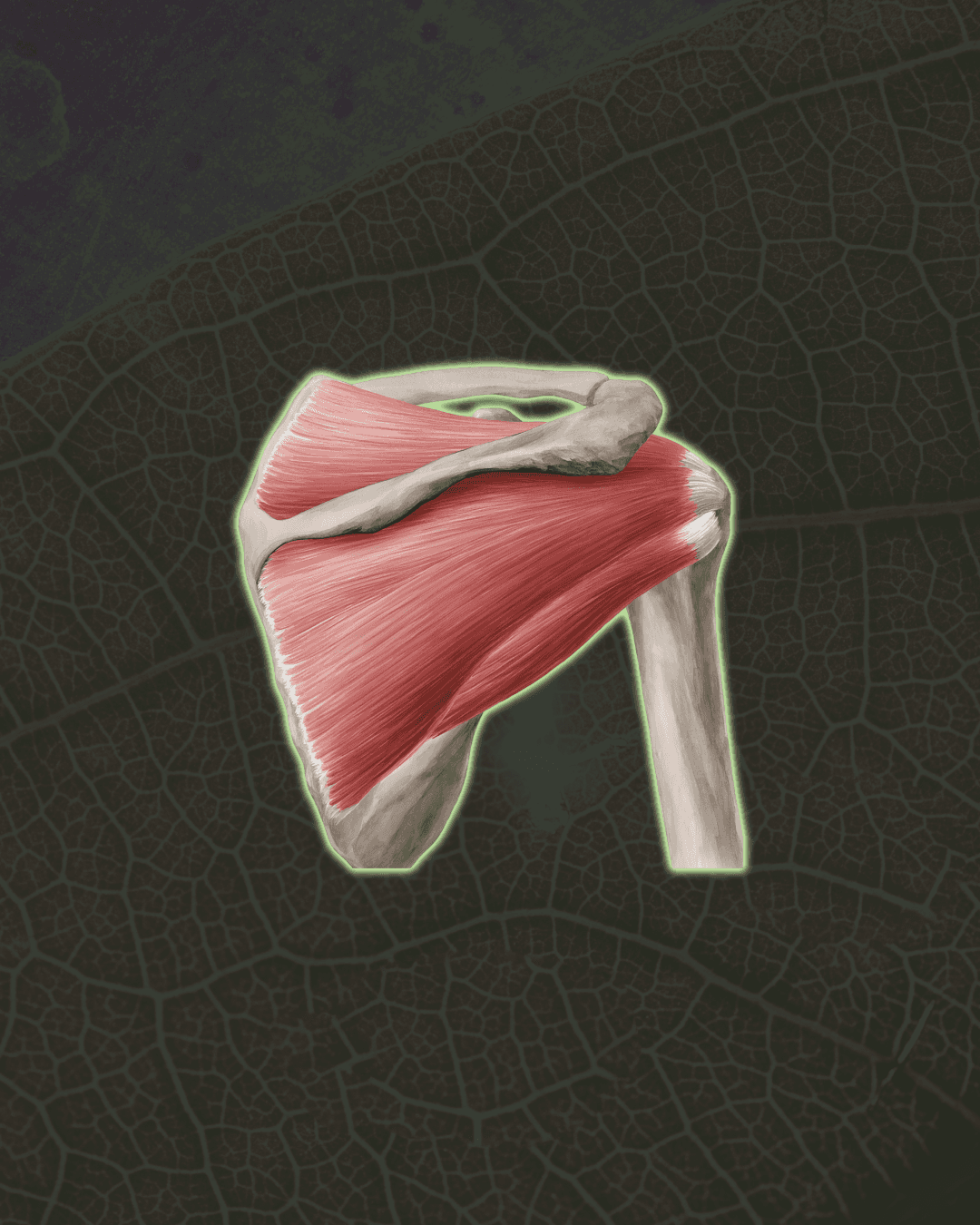 Announce
Atlas Unlocks the Shoulders
Exercises and massage for multiple shoulder joint conditions
(1).svg)
Our philosophy
PhysioScience Academy is an academy for rehabilitation and massage professionals who want to understand what they do and why.
We teach anatomy and biomechanics, evidence-based practice, and applying knowledge in real settings — not templates or trendy methods.
“Why us?Our goal is clear, honest, and modern education for specialists who think one step ahead.
Why us?
Evidence-based approach
Teaching is built on modern science, clinical logic, and verifiable data.
Critical thinking
We teach how to read research, ask questions, and tell working methods from trendy concepts.
Job-ready right after the course
Training is practice-oriented — you can apply what you learn from day one.
Certificate in Russian and English
Suitable for work, portfolio, and the international professional environment.
Discounts and bonuses
Perks for academy students and graduates, access to exclusive materials and updates.
Systematic knowledge from A to Z
A complete curriculum — from basic anatomy and pain to clinical reasoning and practice.
Topics other courses don't cover
Critical analysis of myths, tough questions, and grey areas of the profession.
Clear course structure
You know what you study, why, and in what order — no chaotic modules or filler content.
Up-to-date programmes
Courses are regularly updated to reflect current clinical practice and scientific evidence.
What do our students learn?
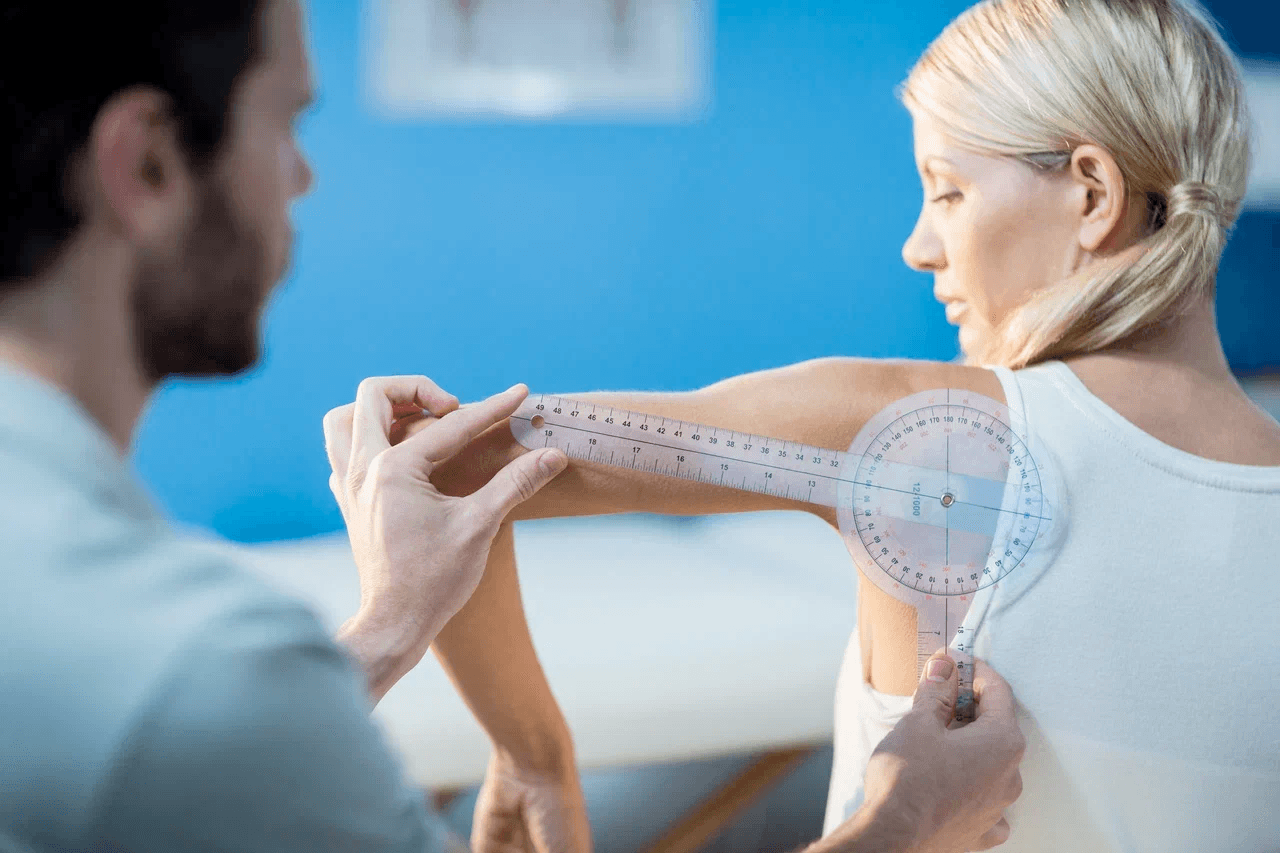
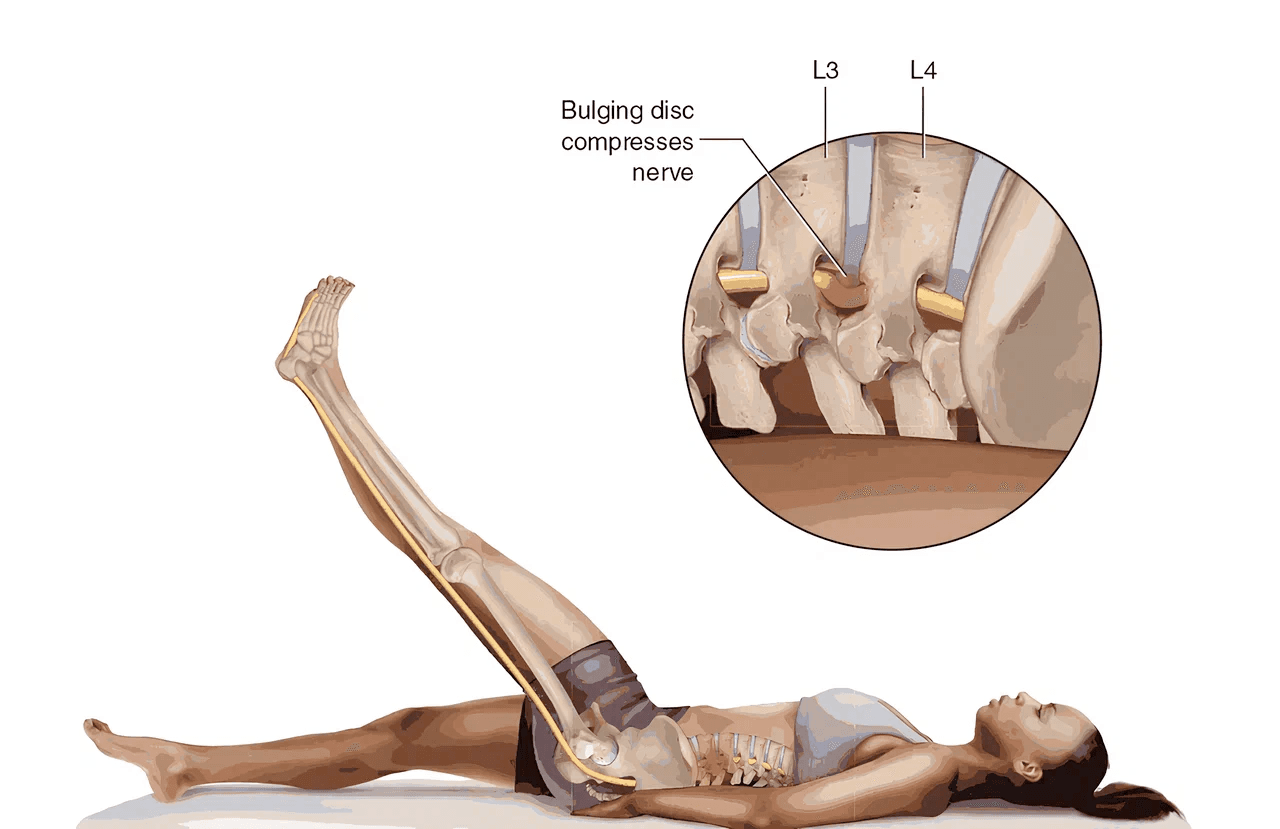
Diagnostics
Clinical thinking and understanding of how to build diagnostic hypotheses are formed. The logic of questionnaire collection, identification of red flags, and analysis of complaints is covered.
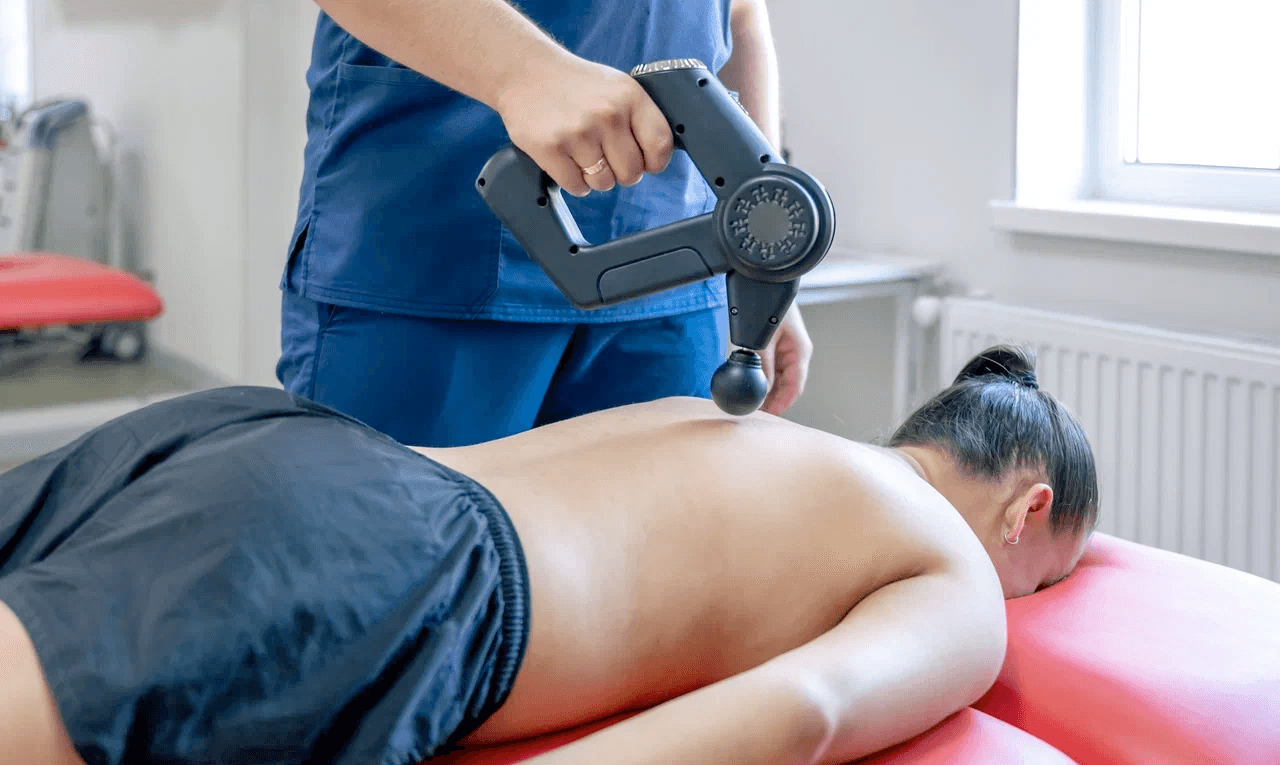
Testing
Functional and orthopedic tests used in real practice are studied. Modern approaches to sports and specific testing are also considered.
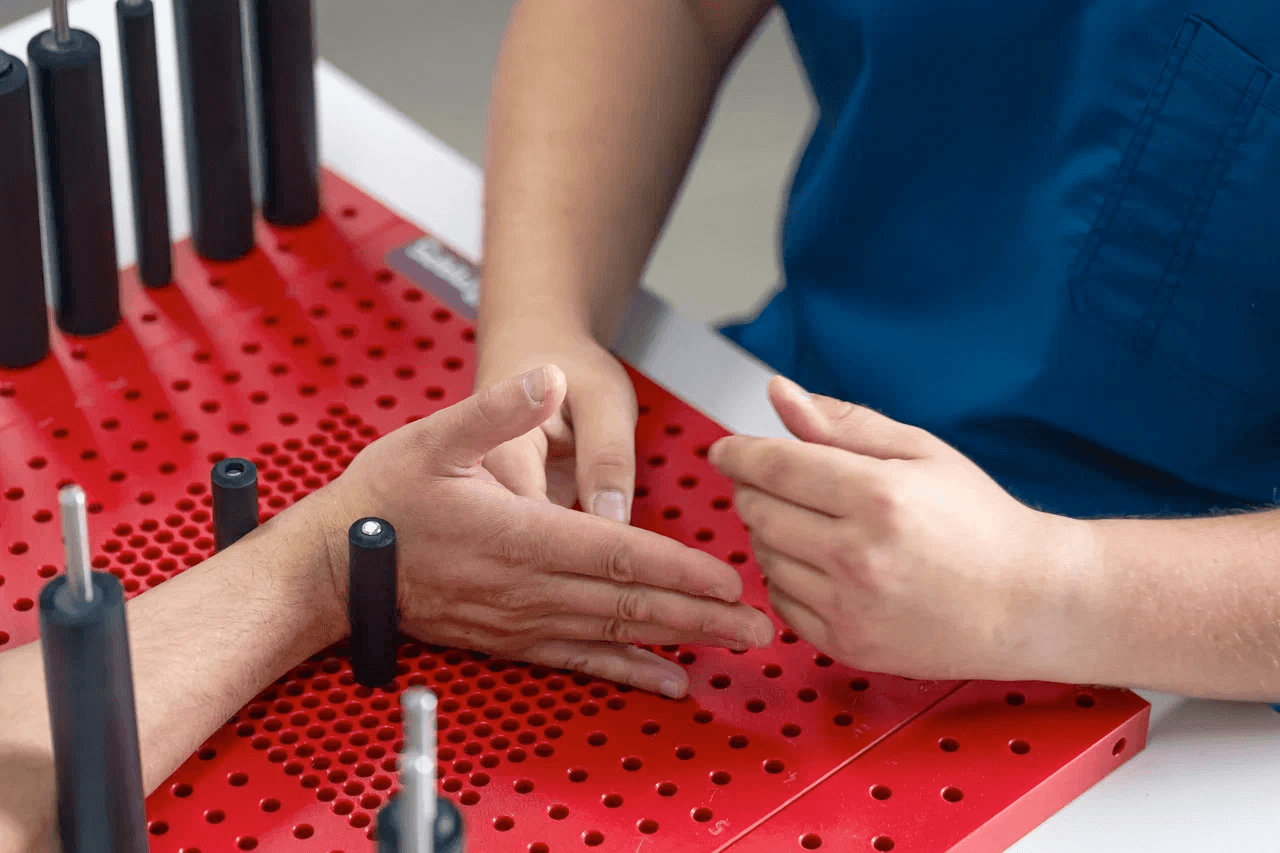
Manual techniques
Basic, advanced, and applied manual techniques for working with muscles and soft tissues are studied. When and why to use a particular technique, and when it is not needed, is analyzed.
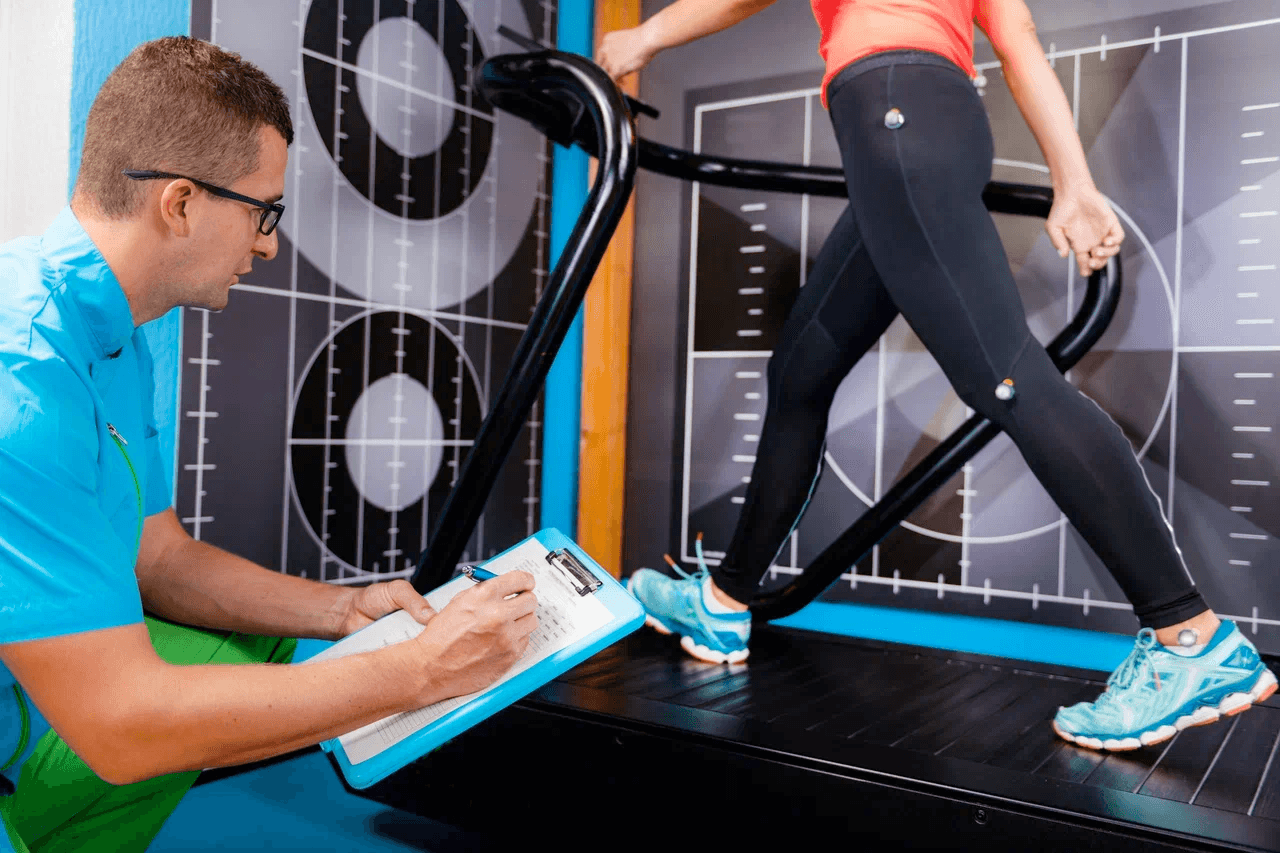
Restoration methods
Clear and effective approaches to recovery after injuries, overloads, and pain are considered. The main goal is to help a person restore movement and function, not just temporarily relieve symptoms.
Motor therapy
The basics of constructing exercises for restoring movement, strength, and endurance are studied. How to select loads for a specific person, their condition, and goal—rather than by template—is covered.
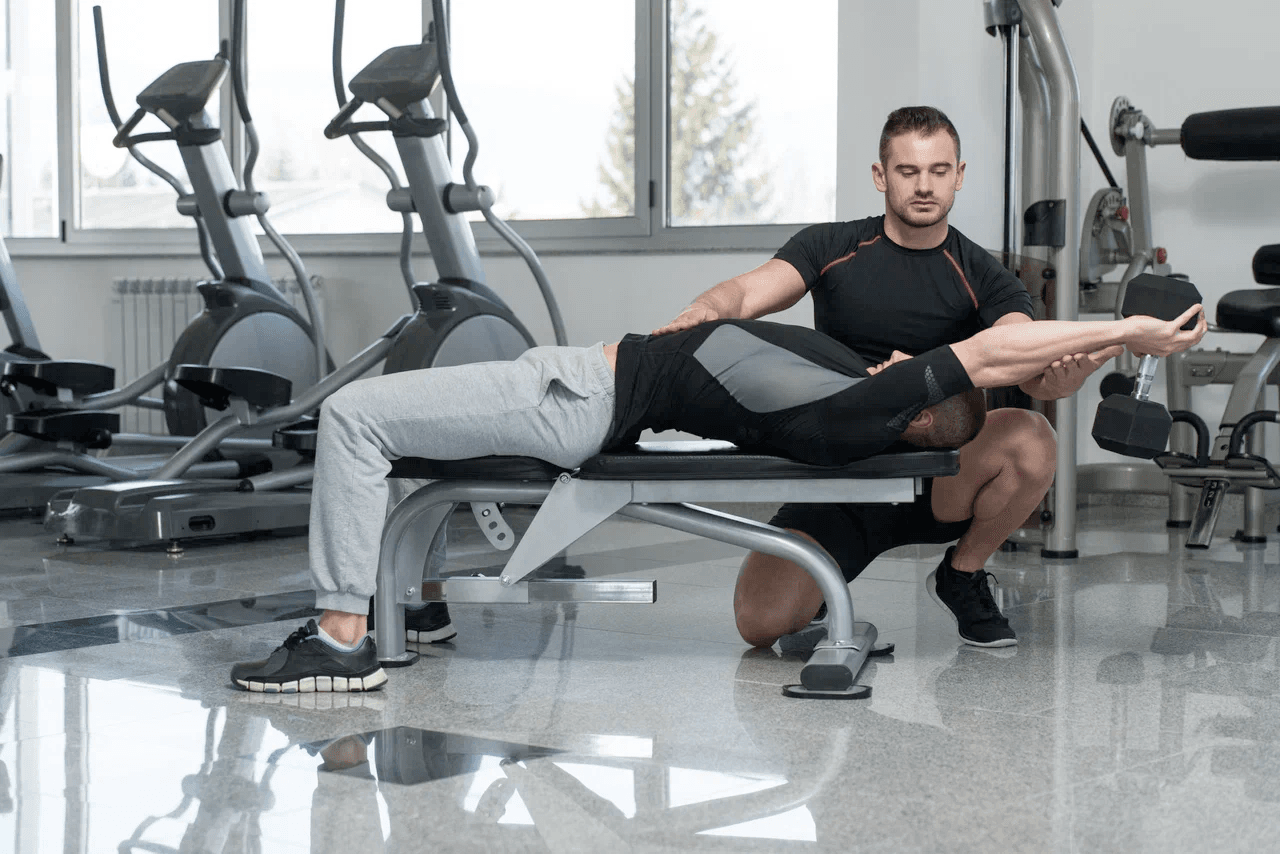
Working with athletes
Specifics of working with amateur and professional athletes are considered. Injury prevention, recovery after loads, and return to training are discussed.
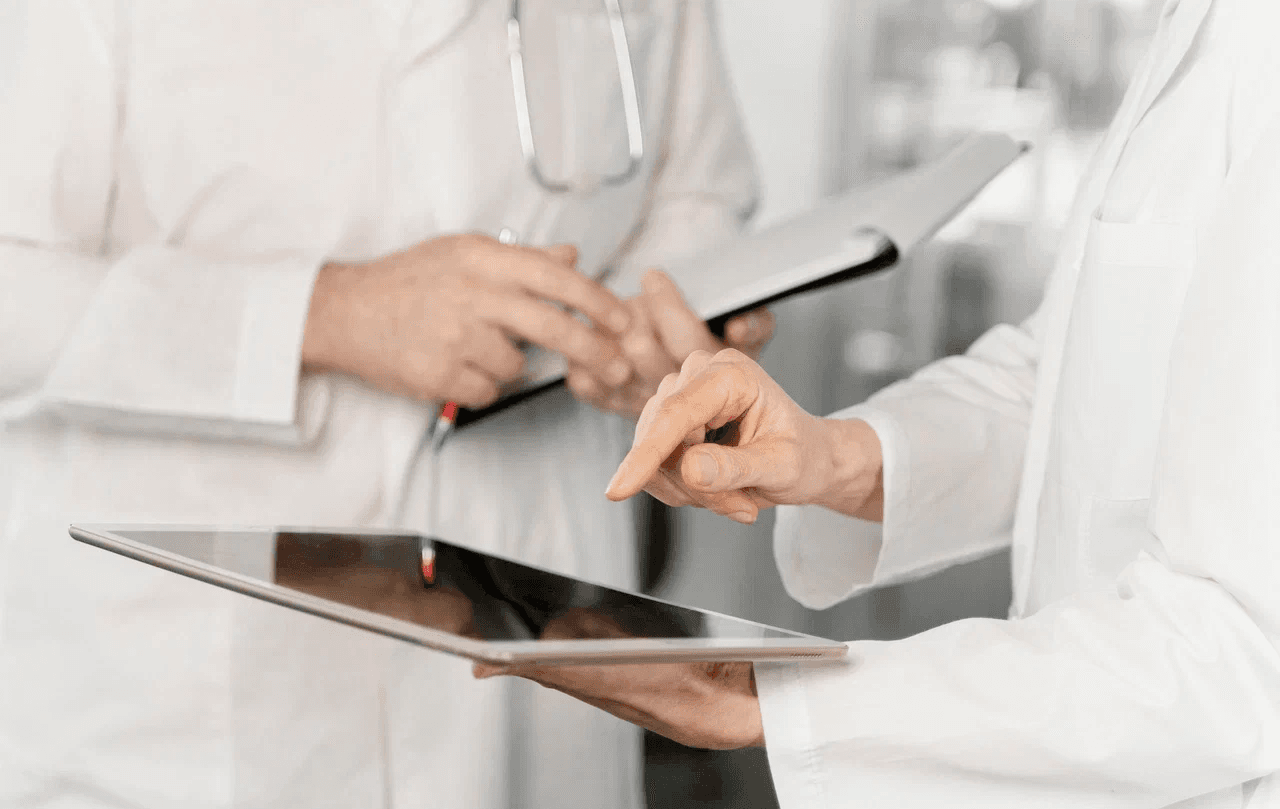
Communication and psychology
How to build clear and honest communication with the client is covered. The training helps explain the work plan and limitations in simple language, without intimidation or pseudoscientific terms. Special attention is paid to expectations and motivation.